Costly Basement Leaks: How Waterproofing Prevents Repeat Damage
A basement leak rarely stays a basement problem. Water that enters below grade works its way into framing, insulation, flooring, stored belongings, and indoor air quality. It stains finishes, swells trim, rusts appliances, and leaves behind that unmistakable damp smell that tells you moisture has been winning for a while. Homeowners often focus on the puddle they can see, but the more expensive damage usually develops out of sight, inside wall cavities, under flooring, and along the base of structural elements.
That is what makes repeat leaks so costly. The first incident is bad enough. The second and third are where repair bills start to feel unreasonable. Drywall gets replaced twice. New carpet has to be pulled back up. Paint peels again. A finished basement that looked restored six months ago ends up opened back to the studs. The cycle can continue for years when the real source of the problem is not addressed.
Basement Waterproofing is often treated like an optional upgrade, something homeowners postpone until they have time or extra budget. In practice, it is closer to asset protection. Done properly, it interrupts the pattern of recurring damage by controlling how water behaves around and beneath the home. That distinction matters. Waterproofing is not just about cleaning up after a storm. It is about preventing water from entering in the first place, or giving it a controlled path away from vulnerable materials.
Why basement leaks keep coming back
Most repeat leaks happen because the original response addressed symptoms rather than causes. A dehumidifier, a shop vacuum, and a coat of waterproof paint can make a basement feel drier for a while. They can even buy time. But if hydrostatic pressure is building outside the foundation, if runoff is pooling against the house, or if https://jasperckqp648.vantagequill.com/posts/basement-waterproofing-upgrades-that-improve-energy-efficiency a crack is moving seasonally, cosmetic fixes do not solve the real issue.
Water is persistent, and basements sit in the most vulnerable part of the building envelope. The surrounding soil expands and contracts through wet and dry cycles. Gutters overflow. Downspouts discharge too close to the house. Soil settles over time and can pitch back toward the foundation instead of away from it. In older homes, footing drains may be partially blocked or may no longer perform as intended. In newer homes, construction details are not always as robust as owners assume. A finished basement can look pristine while a drainage weakness develops behind the walls.
I have seen basements where the owner swore the leak had “come from nowhere,” only to find that a downspout elbow had disconnected at grade and had been dumping roof water beside the corner of the house for months. In another case, a small hairline crack behind stored bins had allowed just enough seepage during storms to keep fiberglass insulation damp. By the time it was discovered, the drywall looked fine from the room side, but the backside had visible mold growth and the bottom plate showed early signs of decay. The water event itself did not look dramatic. The cumulative damage did.
The true cost of doing the same repair twice
When people think about leak damage, they often picture immediate cleanup costs. Those are real, but they are only the front end of the expense. Repeat moisture exposure multiplies labor, material replacement, and disruption.
Drywall is a good example. A single isolated leak may require cutting out a few feet at the bottom of a wall, drying the cavity, and patching the finish. If the basement leaks again because drainage was never corrected, that same wall may need to come open a second time. Paint now has to be blended twice. Baseboards are removed again. Flooring at the perimeter may have to be lifted again. If cabinets or built-ins were installed after the first repair, demolition becomes more delicate and more expensive.
Then there are the costs that do not arrive as one clean invoice. Higher humidity can shorten the life of appliances, especially washers, dryers, freezers, and HVAC components installed in the basement. Stored furniture, holiday decorations, paper files, and family keepsakes may not be “insured” in the way people assume. Some losses are sentimental and cannot be priced. If the basement is finished living space, recurring water issues can also affect resale value. Buyers and inspectors tend to react strongly to signs of previous basement moisture, even when repairs have been made.
There is also the practical cost of uncertainty. Families stop using the space fully. They avoid storing anything valuable near the walls. They keep one eye on the forecast. That may not show up on a contractor estimate, but it changes how the home functions.
What water is actually doing when it enters a basement
Water enters basements in a few common ways, but the mechanism matters because it determines the right solution. Some leaks are driven by surface water. In those cases, rainwater or snowmelt is collecting against the foundation because grading, gutters, or discharge points are wrong. Other leaks are caused by subsurface water pressing against the foundation walls or floor slab. That pressure, commonly called hydrostatic pressure, pushes moisture through pores in concrete, through wall-floor joints, or through cracks.
Concrete itself can be misleading. Homeowners often assume it is waterproof because it feels solid and heavy. It is not. Concrete is porous. Given enough moisture exposure, it can transmit water vapor and, under pressure, liquid water. That is why a basement wall can look dry one week and show damp spots, efflorescence, or seepage the next after a sustained storm. Efflorescence, the white chalky residue sometimes seen on masonry, is a clue that water has been moving through the material and leaving mineral salts behind.
A leak can also originate from combinations of issues rather than one dramatic failure. A slightly negative grade, a short downspout extension, and a foundation crack may work together to create periodic seepage only during the heaviest rains. Those are the frustrating cases because the basement can stay dry for months and then leak badly during one event. Owners sometimes interpret that as random bad luck. It usually is not random.
Waterproofing changes the conditions that create damage
The value of Basement Waterproofing is that it works upstream of damage. Instead of replacing wet materials every time the weather exposes a weakness, waterproofing aims to keep water from reaching those materials at all, or to relieve pressure before water enters.
That can mean exterior work, interior drainage measures, or a combination of both. The right approach depends on the foundation type, the age of the home, the severity of water intrusion, the accessibility of exterior walls, and the owner’s long-term plans for the basement. A fully finished lower level used as living space deserves a more durable strategy than a utility basement used only for storage.
The most effective waterproofing plans usually combine water management at the surface with pressure relief at the foundation. If you only seal the inside face of a wall while leaving exterior drainage problems uncorrected, water pressure remains. If you improve grading but ignore an active wall crack and a leaking cove joint, moisture can still enter during wet periods. Durable results come from matching the repair to the path water is taking.
A sensible waterproofing assessment typically looks at several factors:
- Where the water appears, such as along a crack, at the wall-floor joint, through the slab, or around penetrations.
- When it appears, whether during heavy rain, spring thaw, long wet periods, or seemingly all year.
- How the exterior handles runoff, including gutter capacity, downspout discharge distance, and grading.
- What signs of past moisture exist, including staining, efflorescence, mildew odor, rust, or warped finishes.
- Whether the basement is unfinished, partially finished, or fully finished and sensitive to even minor moisture.
Those details help distinguish a manageable drainage issue from a more comprehensive waterproofing need.
Exterior waterproofing versus interior water control
Homeowners often ask which is better, exterior waterproofing or interior drainage. The honest answer is that they do different jobs.
Exterior waterproofing is the more direct way to stop water before it reaches the foundation wall. It often involves excavating along the outside of the foundation, cleaning the wall, repairing cracks, applying a waterproof membrane, and improving drainage at the footing level. When conditions allow, it is an excellent long-term solution. It also tends to be more disruptive and more expensive because of excavation, landscaping restoration, and access limitations. Homes with decks, porches, mature plantings, narrow side yards, or nearby utilities may not be ideal candidates for full exterior excavation on every affected wall.
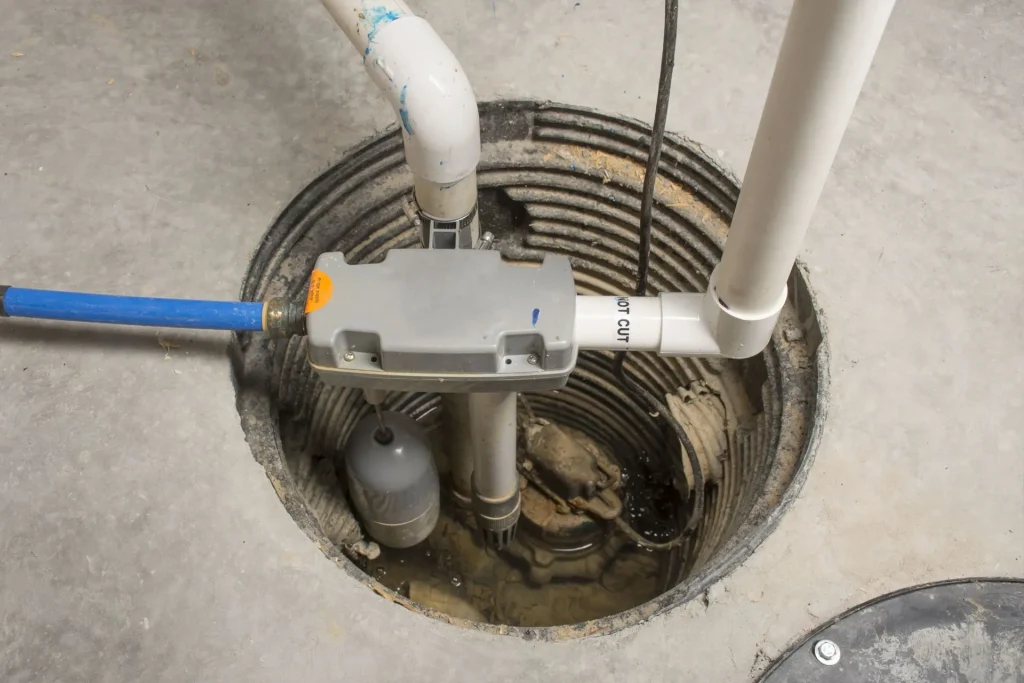
Interior water control systems are often used to manage water that reaches the foundation. These may include perimeter drainage channels, sump systems, crack injection, vapor barriers on walls, and moisture-resistant finishing methods. Critics sometimes dismiss interior systems because they do not always stop water from touching the outside of the wall. That criticism misses the point. In many homes, an interior drainage system is the most practical way to relieve pressure and prevent water from damaging finishes and contents. When designed and installed properly, it can be very effective.
The choice is not purely technical. It is also strategic. If one wall is accessible from the outside and clearly failing at a crack or penetration, targeted exterior work may make sense. If the basement has broad seepage issues during wet seasons, interior drainage paired with exterior grading improvements may deliver better value and less disruption. Good contractors do not force every house into the same solution.
Why simple sealants are often oversold
One of the most common mistakes in basement leak repair is relying too heavily on surface sealants. There is a place for specialty coatings and crack repair materials, but they are often marketed as if they can overcome active water pressure on their own. That is rarely true.
Paint-on waterproofing products can improve appearance and may reduce minor vapor transmission, but they should not be treated as a cure for a wet basement. If water is being driven through a wall by exterior saturation, a coating on the interior face may blister, peel, or fail over time. Likewise, caulking a visible joint without addressing why water is collecting there can turn a recurring leak into a temporarily hidden one.
That does not mean all crack repairs are shallow fixes. Urethane and epoxy injection can be excellent when used appropriately on foundation cracks, especially when the crack path is clearly identified and movement is limited. The key is diagnosis. Repair methods should match crack behavior, moisture conditions, and structural context.
Signs that repeat damage is already underway
Some basements announce their water problems loudly, with visible puddles and standing water. Others are more subtle. By the time obvious wetness appears, the basement may already have a long moisture history. A few warning signs tend to show up early:
- A musty odor that returns after cleaning
- White mineral residue on masonry surfaces
- Rust on metal shelving, appliance feet, or furnace components
- Paint bubbling, peeling, or discoloration near the floor
- Flooring edges that cup, lift, or feel slightly soft
None of these signs prove a severe leak by themselves, but together they point to a moisture pattern worth investigating. Ignoring them is how minor seepage turns into repeated material damage.
The hidden relationship between waterproofing and indoor air
People often think of basement moisture as a structural or maintenance issue, but it is also an indoor air issue. A damp basement raises humidity in the entire house more than many owners realize. Air moves upward. Moisture generated or retained below grade can migrate to upper levels, making the home feel clammy and placing more strain on air conditioning systems in warm months.
Organic materials in a finished basement are especially vulnerable. Carpet, wood trim, paper-faced drywall, and stored cardboard boxes all give moisture something to hold onto. Once those materials stay damp long enough, microbial growth becomes more likely. Not every damp basement turns into a major mold remediation project, but the risk increases when leaks are repeated and slow to dry.
Waterproofing reduces that baseline moisture burden. Even when the visible goal is stopping leaks, the practical effect is often a healthier and more stable lower level. Dehumidifiers can help control ambient moisture, but they should support waterproofing, not replace it.
What a durable waterproofing plan usually includes
A well-built waterproofing plan is rarely just one product. It is a system, and the system works because each part reduces water stress on the others. In many homes, the strongest results come from a combination of the following measures:
- Correcting surface drainage so water sheds away from the house
- Extending downspouts far enough that roof runoff does not recharge the soil near the foundation
- Repairing foundation cracks with methods suited to active moisture conditions
- Installing or restoring drainage systems that relieve hydrostatic pressure
- Finishing basement walls and floors with moisture-tolerant materials where risk remains
That combination is what prevents repeat damage. Without it, homeowners often end up paying for the same drywall patch, the same flooring replacement, and the same cleanup labor over and over.
Older homes, newer homes, and different leak patterns
Basement water problems do not belong to one era of construction. Older homes often have stone or block foundations, aging drain tile, and decades of soil movement around the perimeter. They may also have basements that were never meant to function as polished living space, even though later owners finished them. These homes can usually be improved substantially, but they require realistic expectations and methods suited to their materials.
Newer homes can leak too, though the pattern may be different. Poured concrete walls may develop shrinkage cracks. Window wells may collect runoff if covers or drains are inadequate. Fast construction schedules can leave site grading less than ideal, especially before landscaping fully settles. Homeowners are sometimes surprised by water issues in relatively new houses because “new” is assumed to mean trouble-free. On basement moisture, that assumption does not hold up well.
A useful rule of thumb is this: the age of the house changes the likely failure points, but not the need for proper water control.
When postponing waterproofing becomes more expensive than doing it
There is a moment in many homes when waterproofing shifts from optional to economically obvious. It often happens after the second or third repair to finished materials. Once that point is reached, continuing to patch symptoms usually costs more over a few years than installing a durable solution would have cost up front.
Imagine a finished basement that leaks twice in three years. The first event damages baseboard, lower drywall, and a section of luxury vinyl plank. The second event reaches a nearby closet, ruins stored boxes, and requires mold-preventive cleaning. Even if each incident seems moderate, the combined restoration bill can climb into the low thousands quickly, and more if custom finishes or cabinetry are involved. Add the inconvenience of moving furniture, scheduling repairs, and living with uncertainty, and the economics start to change.
This is especially true when homeowners are planning a remodel. Waterproofing should precede basement finishing, not follow it. Installing framing, insulation, flooring, and decorative finishes in a space with unresolved moisture risk is one of the costliest sequencing mistakes I see. It is far cheaper to address drainage and waterproofing before the room is beautiful than after water has had a chance to damage the finished work.
Choosing a contractor without buying the wrong system
Because basement leaks can be stressful, homeowners are vulnerable to oversimplified sales pitches. One company may insist every wet basement needs full excavation. Another may promise that an interior coating will solve everything in a weekend. Neither extreme inspires confidence.
A good evaluation is specific. It connects observed symptoms to water pathways and explains why a recommended system fits the home. It also acknowledges trade-offs. Exterior excavation may offer strong protection at the wall but can be disruptive and expensive. Interior drainage may be highly practical but still requires attention to sump discharge and ongoing maintenance. Honest contractors talk about these realities.
Ask questions that reveal whether the diagnosis is thoughtful. Where is the water entering? What evidence supports that? How does the proposed system handle pressure, runoff, and future storms? What maintenance will be required? What parts of the basement remain vulnerable, if any? Clear answers matter more than brand names.
Waterproofing is prevention, not decoration
The reason waterproofing prevents repeat damage is simple. It changes the environment that causes the damage. Instead of waiting for water to wet the same materials again, it redirects runoff, relieves pressure, seals true entry points, and gives incidental moisture a controlled route away from the living space. That is why a properly waterproofed basement behaves differently during storms. The homeowner is not reacting after the fact. The house is already prepared.
There is a practical calm that comes with a dry basement after heavy rain. No checking corners with a flashlight. No pulling storage off the floor. No wondering if the smell has returned. For many homeowners, that peace of mind is just as valuable as the repair savings, especially in homes where the basement is used every day.
Repeat leak damage feels expensive because it is expensive, but it is also repetitive, which makes it frustrating in a different way than a one-time repair. Basement Waterproofing breaks that cycle when it is based on diagnosis instead of guesswork. It protects finishes, structure, air quality, and the basic confidence that the lower level of the home can be used without worry. That is why it pays for itself, not in theory, but in avoided repairs that never need to happen again.
ARD Waterproofing
98 Smull Ave, West Caldwell, NJ 07006, United States
+1 917-691-8411
FAQ About Basement Waterproofing
Can you 100% Waterproof a Basement in West Caldwell?
A properly designed system can substantially reduce basement water intrusion, but no method can promise protection against every flood, equipment failure, or future change in site conditions. The first step is identifying whether moisture comes from surface runoff, groundwater, plumbing, or condensation. Solutions may include grading and gutter improvements, drainage, foundation repairs, and a sump system. Review the specific coverage and exclusions of any written warranty.
How much does it cost to professionally waterproof a basement in NJ?
There is no single price that fits every basement. Cost depends on the cause of the leak, the area needing work, access, excavation requirements, drainage design, sump equipment, and restoration of disturbed finishes or landscaping. Request an on-site assessment and an itemized written estimate that explains the scope, exclusions, and maintenance requirements before comparing proposals.
How long does foundation waterproofing last in West Caldwell, NJ?
Service life varies with the waterproofing materials, installation quality, soil and water conditions, and maintenance. Drainage components and pumps may require servicing or replacement even when other parts of the system remain functional. Keep gutters, drainage outlets, and sump equipment maintained, and have recurring leaks or changes in foundation condition assessed. Ask for product-specific expectations and written warranty terms rather than relying on one lifespan for the entire system.